To celebrate deaf history month, Lauren Stanley helped her class learn sign language virtually. Stanley is currently in her second year at Oakland Community College. Recently, as part of her coursework, she was able to give a brief presentation about the culture and history of the deaf and hard of hearing community.
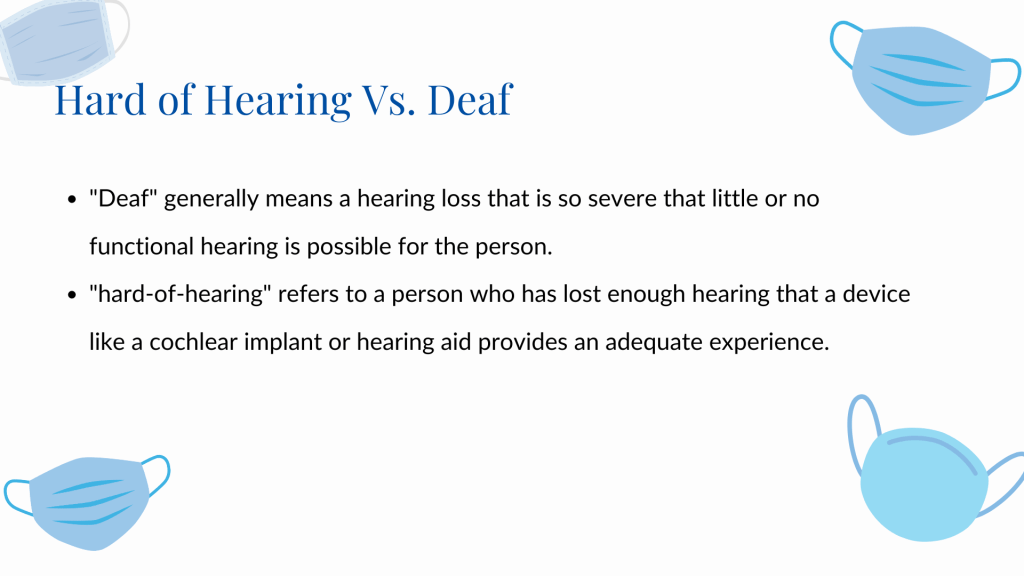
“Deaf” generally means a hearing loss that is so severe that little or no functional hearing is possible for the person. In contrast, “hard-of-hearing” refers to a person who has lost enough hearing that a device like a cochlear implant or hearing aid provides an adequate experience.
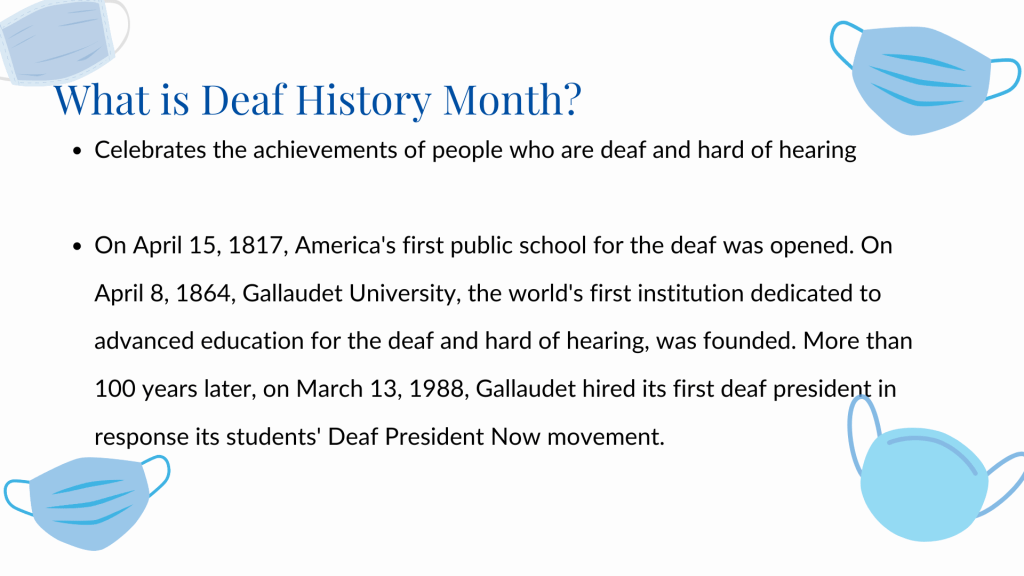
To help her classmates celebrate deaf history month, she also taught her classmates basic vocabulary and fingerspelling in American Sign Language (ASL). Deaf History Month occurs annually between March 13 and April 15 and celebrates the achievements of people who are deaf and hard of hearing.
“It was great to give my class some insight into my culture. I don’t think enough people would associate this with culture, but it is.” Stanley is deaf and often chooses to read lips in lieu of wearing her hearing aid. “When I do wear it, it’s covered fairly well by my hair. I don’t always want to wear it because they bother my ears.”
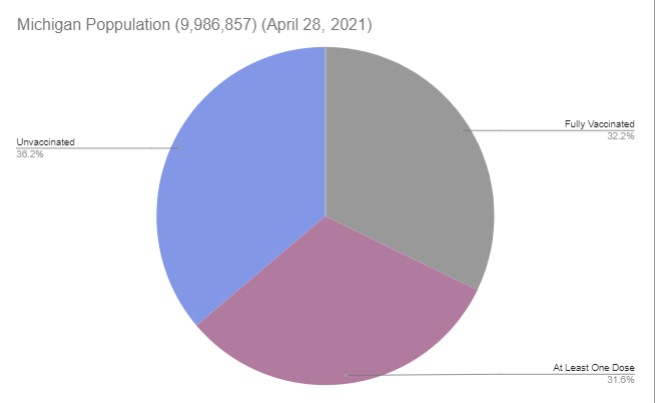
Since the start of the COVID pandemic, the CDC has recommended the use of masks to protect against COVID-19. More than a year later, nearly 100 million people in the United States have been fully vaccinated. Despite the rise in vaccinated people, public officials are still urging the public to continue to wear a mask despite getting their shots.
These guidelines “are absolutely appropriate for this moment in time,” said Megan Ranney, a Brown University professor and emergency medicine physician, in a recent interview with the Seattle Times. “There just aren’t enough of us who have immunity yet for it to be safe to take those masks off in public.”
Stanley says that she’s “frustrated and often feels as though we’re one of the most overlooked communities – in terms of being conscious of accessibility and inclusivity. When you can’t hear, and everyone’s wearing a mask, it’s easy to feel excluded in public.”
The deaf community has been forced into exclusion by inclusion because many are unable to read lips and facial cues when in public. Stanley said that she believes public health officials want the best and do not consider the smaller communities.
President Biden tweeted that the 2021 Joint Address to Congress would, for the first time, include American Sign Language (ASL) to make the address accessible for all Americans.
Jason Miller, a 26-year-old with partial hearing loss missing more than 50 percent of his hearing, says that his life has been more difficult since the beginning of the COVID-19 pandemic. Wearing masks, he is “not able to read people’s lips,” which is his “primary way of communicating.”
When it comes to working, Miller says that the most challenging part for him is the zoom meetings. This is especially true “When there is a bad internet connection” because he is not able to “read facial cues or read their lips.”
The National Association of the Deaf (NAD) is a civil rights organization that advocates for the deaf and hard of hearing community. In one of their resources to increase communication between doctors and hard of hearing patients, they say that “up to approximately 650,000 Americans who are deaf, hard of hearing or DeafBlind may go to the hospital for COVID-19 treatment.”
The NAD suggests that with hospitals overrun and limited communication due to facemasks, the community has to work even harder to self-advocate because, in a medical disaster setting, they may not have access to any communication resources other than what they bring to the hospital.”
Michigan Resources
There are many a number of resources available for those in Michigan interested in volunteering or looking for more information about the local opportunities for the local deaf and hard of hearing community. Find resources nationwide and locally!

 Nina Knauf